India anticipates hotter summer with above-normal heatwaves

The India Meteorological Department has forecasted a hotter-than-normal summer for 2026, with above-normal heatwave days expected from March to May across most parts of the country. North Tamil Nadu and coastal areas are particularly likely to experience searing heat exceeding 40 degrees Celsius in plains. This comes after a warm February, the fifth-warmest since 1901.

The India Meteorological Department (IMD) announced on February 28, 2026, that India is set to face a hotter-than-normal summer this year. Heatwave days during March and May are expected to exceed the seasonal average, with above-normal maximum temperatures forecasted for the summer months. In March, the first month of summer, minimum temperatures are likely to remain above average across most areas, according to Mrutyunjay Mohapatra, director-general of the IMD.

February recorded both maximum and minimum temperatures above average, marking it as the fifth-warmest February since records began in 1901, per IMD data. The winter season in Tamil Nadu concluded with a substantial rainfall surplus, but the state now braces for intense heat. North Tamil Nadu and some coastal parts may see above-normal heatwave days between March and May, where heatwaves are declared when maximum temperatures exceed 40 degrees Celsius in plains and 30 degrees Celsius in hilly regions.

This forecast could impact health, water supply, and power demand in affected areas. For agriculture, above-average temperatures in March might affect the grain size of maturing winter crops like wheat, rapeseed, and chickpeas, potentially reducing yields. India, the world’s second-largest wheat producer and biggest importer of edible oils, relies on strong 2026 harvests to export surplus wheat and reduce imports of palm, soy, and sunflower oils.

“Above-normal heatwave days are expected over most parts of the country during March to May 2026,” said Mr. Mohapatra.
Relaterte artikler

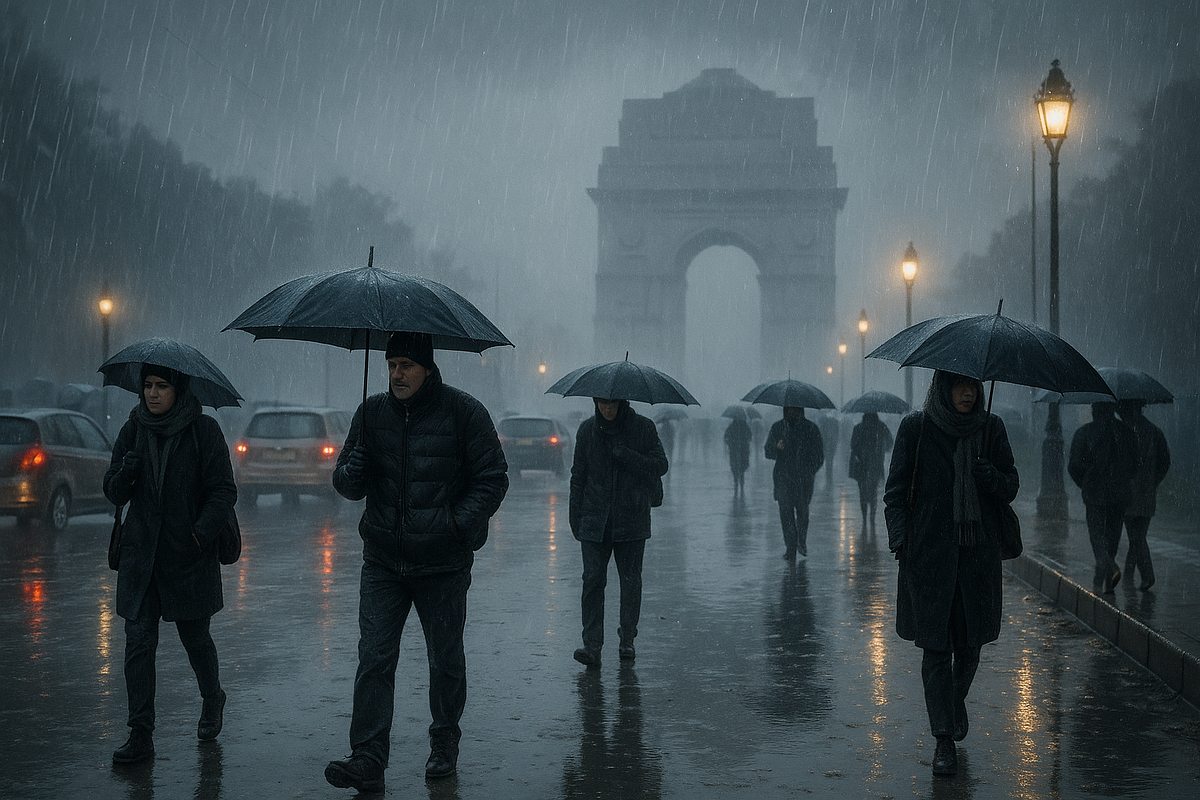
Rain-drenched Delhi street with smoggy haze and bundled pedestrians, depicting the city's wettest January amid poor air quality.
Bilde generert av AI

Delhi sees wettest January in four years with increased chill

Rapportert av AI Bilde generert av AI

Rainfall on Tuesday made January the wettest in Delhi in four years, with a total of 25 mm recorded. However, it failed to improve air quality, pushing the AQI to 336. The IMD forecasts temperature fluctuations and light rain on February 1.

Delhi saw an unusually warm February day on Monday, with temperatures reaching 31.6°C, marking the earliest such level in five years. Light rain expected midweek will provide temporary relief.

Rapportert av AI

The India Meteorological Department has warned of a fresh Western Disturbance affecting the Western Himalayan region from January 31, leading to heavy rainfall and snowfall on February 1. Light to moderate rainfall is expected over the plains of northwest India and adjoining central India. Delhi is likely to experience fog and very light rain.

Delhi recorded the season's lowest minimum temperature of 4.6°C on Friday, accompanied by surprise rain in the national capital and nearby areas like Noida and Gurugram. Dense fog persisted, intensifying the chill.

Rapportert av AI

The Philippine Atmospheric, Geophysical and Astronomical Services Administration (PAGASA) has projected that two to eight tropical cyclones may develop or enter the country from January to June 2026. The forecast indicates relatively low cyclone activity in the first half of the year. This was presented by Ana Liza Solis during the 191st climate forum on Thursday.

A powerful western disturbance is activating over the Himalayan regions starting today, leading to heavy snowfall in mountainous areas and rainfall in the plains. Delhi-NCR continues to face dense fog and severe air pollution, with AQI levels remaining in the 'severe' category.

Rapportert av AI

Delhi remains under a cold wave with dense fog and 'poor' air quality for a second day on January 5, prompting airline warnings for flight delays. The IMD forecasts a 2-3°C drop in minimum temperatures across northwest India over the next four days.


Dette nettstedet bruker informasjonskapsler

Vi bruker informasjonskapsler for analyse for å forbedre nettstedet vårt. Les vår personvernerklæring for mer informasjon.
Avvis