Indian economy projected to grow 7.4% in 2025-26 amid concerns

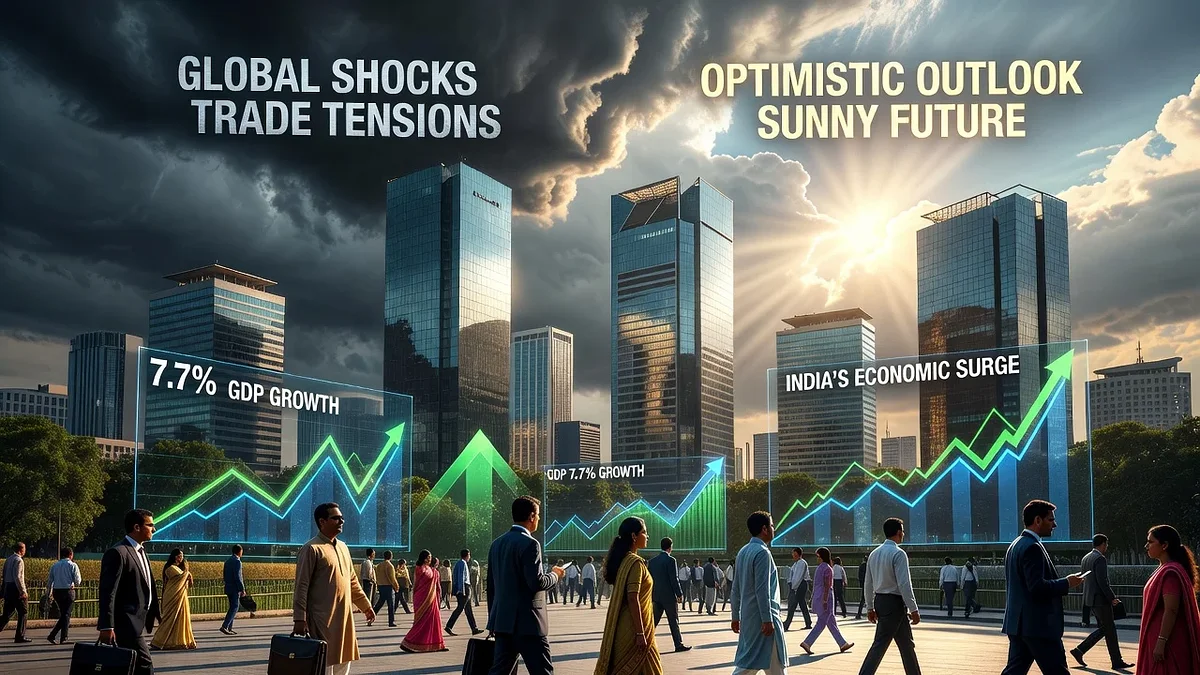
The National Statistics Office has forecasted a 7.4% growth for the Indian economy in 2025-26, surpassing earlier expectations. While the first half of the year saw 8% expansion, the second half is expected to moderate to 6.8%. Services sector leads the acceleration, though nominal growth raises fiscal worries.

The first advance estimates from the National Statistics Office indicate that India's economy will expand by 7.4% in 2025-26, outpacing projections from analysts and the Reserve Bank of India at the year's start. This follows an 8% growth in the initial six months, with a projected slowdown to 6.8% in the latter half, potentially influenced by reduced government spending and tariffs imposed by US President Donald Trump on merchandise exports.

Disaggregated figures highlight robust performance in the services sector, forecasted to grow at 9.1% this fiscal year, compared to 7.2% in 2024-25. Growth accelerates across sub-sectors including trade, hotels, transport, communication, financial services, real estate, professional services, and public administration. In industry, manufacturing shows improvement, but construction and utilities lag with slower rates. Consumption and investment are both set to advance steadily.

Despite the positive real growth, nominal GDP is expected to rise by only 8%, below the 10.1% assumed in the Union budget and marking the second straight year under 10%. This subdued nominal expansion could strain government debt and deficit management over time.

These estimates draw from data up to November. Upcoming revisions include a new GDP series based on 2022-23 by month's end, incorporating updated methodologies and data sources. A fresh Consumer Price Index with 2024 base follows in February, alongside a revised Index of Industrial Production, aiming to refine accuracy amid past critiques.
ተያያዥ ጽሁፎች

Jakarta skyline with billboard announcing Indonesia's record 5.61% Q1 2026 GDP growth, highest in G20, amid celebrating officials and rising economic graphs.
በ AI የተሰራ ምስል

Indonesia's Q1 2026 economic growth hits 5.61 percent, highest in G20

በAI የተዘገበ በ AI የተሰራ ምስል

Indonesia's economy grew 5.61 percent in Q1 2026, the highest in five years and among G20 nations releasing data, according to BPS. Kadin, officials, and the Finance Minister praised the achievement amid global challenges. Growth was driven by household consumption, government spending, and investment.

Following late-2025 reports of economic promise and investor optimism based on preliminary data, South Africa's gross domestic product expanded by just 1.1% for the full year of 2025—up from 0.5% in 2024 but below the Treasury's 1.4% estimate. Quarterly growth hit 0.4% in Q4 after a revised 0.3% in Q3. Industrial sectors like mining and manufacturing contracted, offset by gains in finance and investment.

በAI የተዘገበ

Brazil's Gross Domestic Product (GDP) expanded 2.3% in 2025, below the 3.4% of 2024, according to data released by the IBGE on Tuesday (3). The economy did not grow in the second half, with family consumption stagnant and productive investment declining, but government spending and exports prevented contraction. The slowdown stems from tighter monetary policy to control inflation.

The Bank of France has cut its GDP growth forecasts to 0.9% for 2026 and 0.8% for 2027 due to surging energy prices from the Middle East conflict. This adjustment is based on a main scenario of temporary hydrocarbon price increases. The bank also expects inflation at 1.7% this year.

በAI የተዘገበ

The Dane reported that Colombia's GDP rose 2.2% in the first quarter of 2026, below the 2.5% recorded a year earlier. Growth was driven mainly by public spending and household consumption, while sectors such as construction and agriculture posted declines.

Colombia's economy grew 2.2% year on year in the first quarter of 2026, according to Dane data. The main driver was state spending on consumption and public administration.

በAI የተዘገበ

China's trade performance exceeded expectations at the beginning of 2026, with exports rising sharply. The growth rate reached 21.8% year-on-year for January and February, compared to 5.5% in the previous year. This surge was propelled by key sectors amid global demand.


ይህ ድረ-ገጽ ኩኪዎችን ይጠቀማል

የእኛን ጣቢያ ለማሻሻል ለትንታኔ ኩኪዎችን እንጠቀማለን። የእኛን የሚስጥር ፖሊሲ አንብቡ የሚስጥር ፖሊሲ ለተጨማሪ መረጃ።
ውድቅ አድርግ