كوين بيس تطلق بنية تحتية لمحافظ العملات المشفرة لعملاء الذكاء الاصطناعي

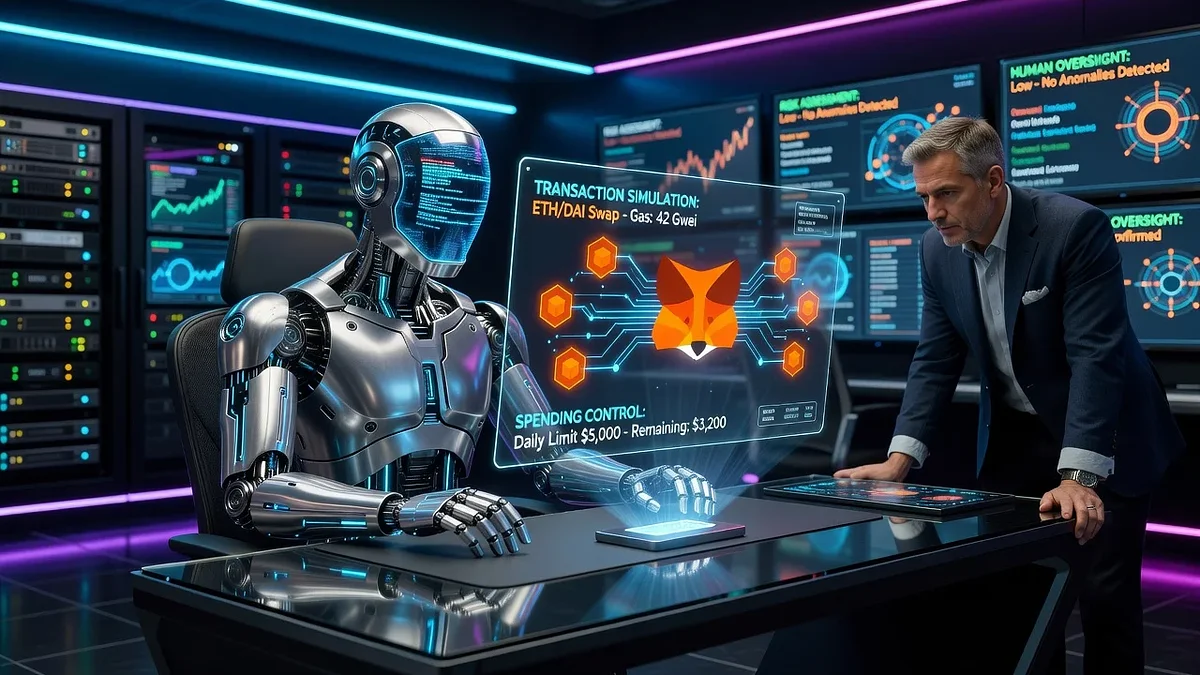
قد أطلقت كوين بيس Agentic Wallets، وهي بنية تحتية جديدة مصممة لتمكين عملاء الذكاء الاصطناعي من التعامل مع المعاملات المالية بشكل مستقل. تم الإعلان عنها في 11 فبراير 2026، وتعالج الأداة القيود في قدرات الذكاء الاصطناعي الحالية من خلال السماح للعملاء بالإنفاق والكسب والتداول دون إشراف بشري مستمر. يبني هذا التطور على مبادرات كوين بيس السابقة في التجارة الوكيلية.

أعلنت كوين بيس عن Agentic Wallets الخاصة بها في 11 فبراير 2026، مواقعة إياها كأول بنية تحتية لمحفظة عملات مشفرة مصممة خصيصًا لعملاء الذكاء الاصطناعي. تقول الشركة إن هذه المحافظ تسمح للمستخدمين بتجهيز عملاء الذكاء الاصطناعي بقدرات للإنفاق والكسب والتداول بشكل مستقل. كما شرحت كوين بيس في منشور مدونة، «عملاء الذكاء الاصطناعي موجودون في كل مكان – يجيبون على الأسئلة، يلخصون الوثائق، ويساعدون في المهام». ومع ذلك، يبرز المنشور قيدًا رئيسيًا: «لكن عملاء اليوم يصطدمون بحائط عندما يحتاجون إلى القيام بشيء يتطلب المال. يمكنهم التوصية بصفقة، لكنهم لا يمكنهم تنفيذها. يمكنهم تحديد واجهة برمجة تطبيقات يحتاجونها، لكنهم لا يمكنهم الدفع مقابلها. إنهم عالقون في انتظار الموافقة البشرية في كل نقطة قرار مالية».تمتد Agentic Wallets إلى AgentKit الخاص بكوين بيس، وهو إطار لدمج المحافظ في عملاء الذكاء الاصطناعي، بهدف «إعطاء أي عميل محفظة». تعتمد البنية التحتية على بروتوكول الدفع x402، الذي يدعم حالات الاستخدام المستقلة للذكاء الاصطناعي. لاحظت كوين بيس أن «تم اختبار x402 بالفعل في أكثر من 50 مليون معاملة، مما يمكّن الدفعات من آلة إلى آلة، وجدران الدفع للواجهات البرمجية، والوصول البرمجي إلى الموارد دون تدخل بشري».لضمان الأمان، تشمل المحافظ ضوابط مستخدم مثل حدود الجلسة على الإنفاق الأقصى لكل جلسة وحظر أحجام المعاملات الفردية. يأتي هذا الإطلاق بعد إدخال كوين بيس في 2025 لـ «Payments MCP»، وهي أداة توفر لعملاء الذكاء الاصطناعي الوصول إلى الميزات المالية على السلسلة مثل المحافظ ومنصات الدخول والمدفوعات بالعملات المستقرة لتسهيل التجارة الوكيلية.في سياق ذي صلة، تؤكد المناقشات حول الذكاء الاصطناعي في فضاء Web3 على الحاجة إلى هويات رقمية قوية. وصف تقرير سابق من PYMNTS الهوية بأنها «محمولة وقابلة للتركيب والقابلة للتحقق»، وهي أساسية لعملاء الذكاء الاصطناعي الذين يتفاعلون مع البشر أو العقود الذكية أو عملاء آخرين. علق هاريسون سيليتسكي، مدير في SPACE ID: «يجب على كل بروتوكول كريبتو النظر في كيفية دمج هذه التكنولوجيا الجديدة في عملياتهم». وأضاف أن «الهويات القابلة للتحقق على السلسلة ستُبسط التفاعلات بين الذكاء الاصطناعي والبشر وبين الذكاء الاصطناعي، مما يجعلها أكثر أمانًا من خلال إعطاء عملاء الذكاء الاصطناعي اسمًا يمكن التعرف عليه بشريًا، مما يزيل البوتات والممثلين السيئين الذين ينتحلون شخصيات أخرى». تعتبر مثل هذه الإجراءات حاسمة في التمويل والمدفوعات، حيث تكون الثقة على الطريق الصحيح.
مقالات ذات صلة

U.S. Treasury report illustration showing holographic tech pillars for crypto compliance: AI monitoring, digital ID, blockchain analytics, and data APIs, with privacy mixer endorsement.
صورة مولدة بواسطة الذكاء الاصطناعي

U.S. Treasury report proposes AI, digital ID pillars for crypto compliance; endorses lawful mixer privacy

من إعداد الذكاء الاصطناعي صورة مولدة بواسطة الذكاء الاصطناعي

The U.S. Treasury Department submitted a report to Congress on March 9, 2026—commissioned under the GENIUS Act—outlining four technological pillars to enhance transparency in cryptocurrency transactions: artificial intelligence for monitoring, digital identity for onboarding, blockchain analytics for tracing, and interoperable data-sharing APIs. It describes digital assets as key to U.S. innovation leadership while acknowledging lawful users' need for privacy tools like mixers on public blockchains, amid risks from illicit exploitation.

Developers are equipping increasingly autonomous AI agents with crypto wallets, enabling them to hold assets, trade tokens, and hire other agents, according to Electric Capital. While the technical infrastructure is advancing, legal frameworks lag behind. At NEARCON 2026, Avichal Garg highlighted the unresolved issues around liability for such non-human entities.

من إعداد الذكاء الاصطناعي

At the World Economic Forum in Davos, leaders from Binance, Circle, and Coinbase expressed optimism about AI's role in reshaping cryptocurrency. They predict crypto will become the native currency for AI agents, driving massive economic growth. Investments in AI-crypto startups surged in 2025, signaling strong industry momentum.

In periods of high market stress, cryptocurrency traders are turning to AI tools for clarity and decision-making support, according to an analysis from MEXC's COO. Usage of such tools spikes during chaotic events, helping to filter information overload. This trend highlights AI's role in maintaining coherence amid rapid price movements.

من إعداد الذكاء الاصطناعي

OpenClaw, an open-source AI project formerly known as Moltbot and Clawdbot, has surged to over 100,000 GitHub stars in less than a week. This execution engine enables AI agents to perform actions like sending emails and managing calendars on users' behalf within chat interfaces. Its rise highlights potential to simplify crypto usability while raising security concerns.

In the wake of Anthropic's unveiling of its powerful Claude Mythos AI—capable of detecting and exploiting software vulnerabilities—the US Treasury Secretary has convened top bank executives to highlight escalating AI-driven cyber threats. The move underscores growing concerns as the AI is restricted to a tech coalition via Project Glasswing.

من إعداد الذكاء الاصطناعي

Anthropic has restricted unlimited access to its Claude AI models through third-party agents like OpenClaw, requiring heavy users to pay extra via API keys or usage bundles starting April 4, 2026. The policy shift, announced over the weekend, addresses severe system strain from high-volume agent tools previously covered under $20 monthly subscriptions.


يستخدم هذا الموقع ملفات تعريف الارتباط

نستخدم ملفات تعريف الارتباط للتحليلات لتحسين موقعنا. اقرأ سياسة الخصوصية الخاصة بنا سياسة الخصوصية لمزيد من المعلومات.
رفض