Sheinbaum proposes ‘friendly fracking’ to cut gas import dependence

President Claudia Sheinbaum proposed ‘friendly fracking’ to extract natural gas responsibly and bolster Mexico’s energy sovereignty. She explained that new technologies use biodegradable components and enable water recycling. Environmental organizations criticized the plan, stating that sustainable fracking does not exist.

During her morning press conference, President Claudia Sheinbaum defended modern hydraulic fracturing technologies, distinguishing them from traditional fracking due to lower environmental impact. “The main environmental problem with fracking is that it uses a lot of water and gets contaminated with hard-to-clean chemicals. Now there are new technologies that use biodegradable components,” she explained.

These components break rocks to extract gas, allowing water recycling, including saltwater or coal mine water. Sheinbaum stressed consulting experts: “That’s what we want the experts to tell us, the impacts it would have, where it could be done and where not. There are new technologies and we must be open.”

More than 80 organizations, including the Mexican Alliance Against Fracking, rejected the proposal in a statement. They argued that exploring “sustainable” fracking contradicts the government’s commitment against the technique, supported by over 2,300 scientific studies over 15 years.

Specialists noted that options like treated wastewater or seawater have been tested in the United States but not widely adopted due to high costs of 5 to 10 million dollars per installation. They said Mexico’s gas reserves are insufficient for growing demand, questioning its role in energy sovereignty.

The government plans to form a scientific committee to assess the technique and reduce dependence on U.S. imported gas over the next decade.
Mga Kaugnay na Artikulo

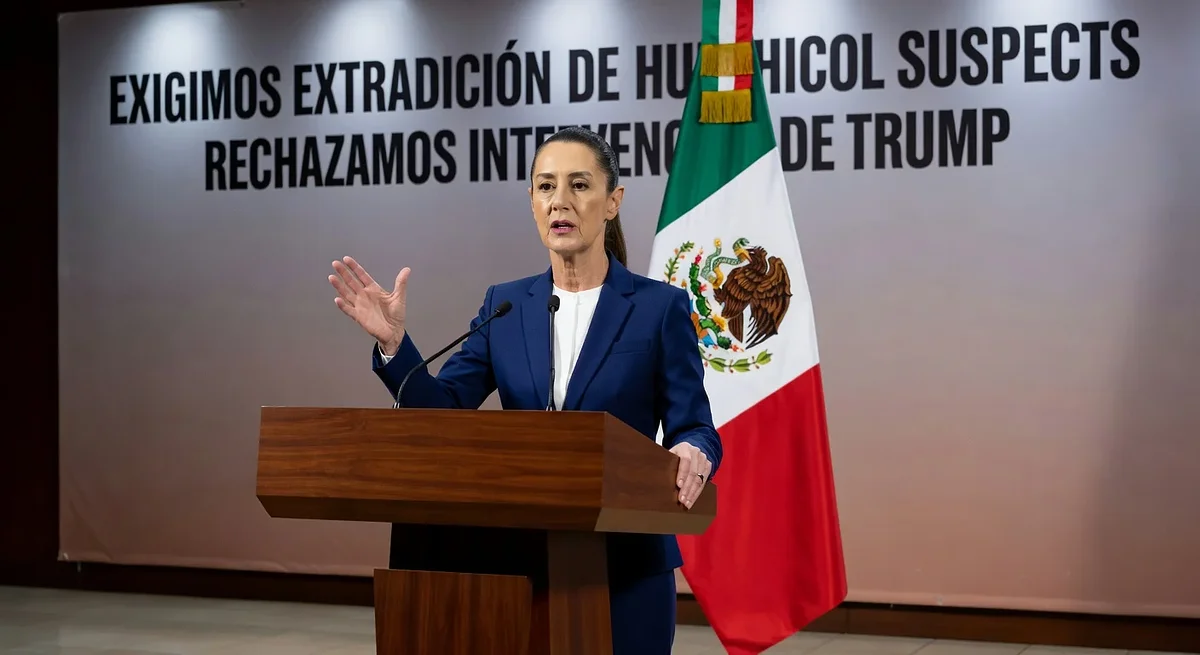
President Claudia Sheinbaum announces sustainable fracking initiative at press conference, screen showing eco-friendly rigs.
Larawang ginawa ng AI

Sheinbaum opens door to sustainable fracking in Mexico

Iniulat ng AI Larawang ginawa ng AI

President Claudia Sheinbaum announced a technical committee to study the return of modern fracking in Mexico to cut reliance on US natural gas imports. She distinguished it from traditional methods by using technologies that recycle water and avoid potent chemicals, boosting energy sovereignty. The process will take 10 to 15 years and require major investments.

Following her announcement last week, Mexican President Claudia Sheinbaum presented a team of specialists on April 15 to evaluate environmentally friendly fracking technologies, aiming to reduce Mexico's 75% reliance on U.S. natural gas imports amid energy sovereignty goals.

Iniulat ng AI

Energy Secretary Luz Elena González Escobar announced a plan to increase natural gas production and cut import dependency, alongside President Claudia Sheinbaum. The initiative features a technical committee for sustainable practices and speeds up renewables to 38% by 2030.

Mexican President Claudia Sheinbaum reiterated in her regular press conference that she considers the United States' threat to impose tariffs on countries supplying oil to Cuba very unfair.

Iniulat ng AI

At the 89th Banking Convention inauguration, President Claudia Sheinbaum urged bankers to boost credit from 38% to 45% of GDP to drive development. Mexico's Banking Association committed to this goal by 2030. Sheinbaum also unveiled a new infrastructure investment law.

President Claudia Sheinbaum expressed skepticism about support from PT and PVEM for her Plan B on electoral reform, to be sent to Congress on Monday, March 16. Following the rejection of the original proposal in the Chamber of Deputies, the plan aims to reduce privileges in local congresses and allow popular consultations on electoral issues. Sheinbaum emphasized that she does not see this as a defeat and will prioritize citizen participation.

Iniulat ng AI

Mexico's government, led by President Claudia Sheinbaum, is exploring ways to send fuel to Cuba to ease its energy crisis while avoiding U.S. tariff retaliations announced by Donald Trump. Cuba has faced an acute fuel shortage since December 2025, worsened by the cutoff of Venezuelan supplies and U.S. pressures. Cuban President Miguel Díaz-Canel thanked Mexico for its support but expressed regret over the lack of recent shipments.


Gumagamit ng cookies ang website na ito

Gumagamit kami ng cookies para sa analytics upang mapabuti ang aming site. Basahin ang aming patakaran sa privacy para sa higit pang impormasyon.
Tanggihan