The United States and Mexico agreed in Washington to accelerate measures against the fentanyl crisis and transnational criminal networks during the third meeting of the Security Implementation Group. The State Department recognized Mexico's work in capturing criminals like Ryan Wedding. Both nations seek concrete results to protect border communities.
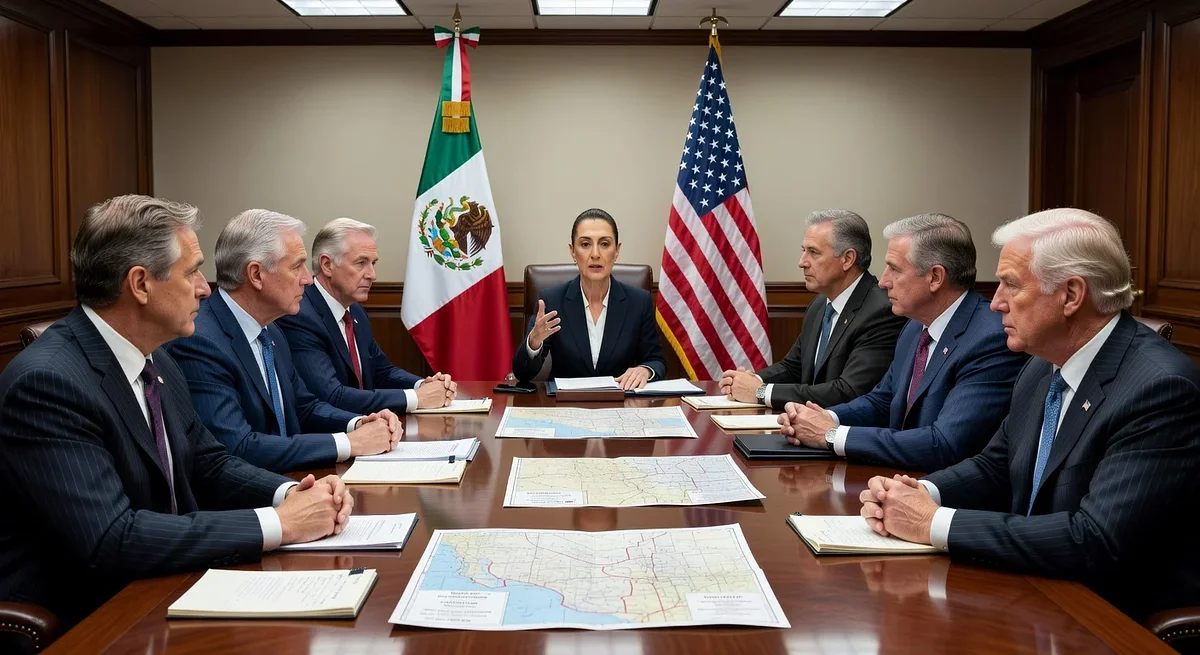
The third meeting of the Security Implementation Group between Mexico and the United States took place this Friday in Washington, under the Border Security and Law Enforcement Cooperation Program. During the encounter, delegations from both countries agreed to accelerate actions to combat the fentanyl crisis and dismantle transnational criminal and narcoterrorist networks.
State Department spokesperson Tommy Pigott stressed that the United States and Mexico are pursuing concrete results to safeguard their communities on both sides of the border. The importance of joint efforts yielding progress against impunity was highlighted.
US authorities thanked the Mexican government for the capture and handover of high-impact criminals, including former Olympic athlete Ryan Wedding, who is on the FBI's Ten Most Wanted list. The meeting also spotlighted advances in customs information exchange, analysis of global threats from unmanned systems, and judicial cooperation.
The Mexican delegation included Roberto Velasco, Undersecretary for North America at the SRE; Jesús Antonio Lozada, Undersecretary of Intelligence and Police Investigation at the SSPC; Esteban Moctezuma, Mexico's Ambassador to the United States; and other security and defense officials. On the US side, participants included Katherine Dueholm, Principal Deputy Assistant Secretary for Western Hemisphere Affairs at the State Department; Simon Bland, Undersecretary for International Affairs at the Department of Homeland Security; and representatives from the Department of Justice and others.
These agreements aim to strengthen bilateral collaboration on security matters, acknowledging mutual advances in the fight against organized crime.