Illustration of women farmers celebrating the passage of the Women Farmers Empowerment Bill in the Maharashtra Assembly.
Image générée par IA

L'Assemblée du Maharashtra adopte le projet de loi sur l'autonomisation des agricultrices

Image générée par IA

L'Assemblée du Maharashtra a adopté à l'unanimité le projet de loi sur l'autonomisation des agricultrices de 2026 le 2 juillet 2026. Il s'agit de la première loi de ce type dans le pays à accorder le statut d'agricultrice aux femmes sans exiger la propriété foncière.

Le projet de loi reconnaît les femmes engagées dans l'agriculture et les secteurs connexes tels que la pêche, l'élevage, la volaille et la collecte de produits forestiers. Elles recevront des certificats d'agricultrice pour accéder au crédit, à l'assurance, aux subventions et aux marchés.

La vice-ministre en chef du Maharashtra, Sunetra Pawar, a déclaré que cette mesure corrige une injustice historique. Le ministre de l'Agriculture, Dattatray Bharane, a rendu hommage à MS Swaminathan.

Les chefs de l'opposition, Aaditya Thackeray et Jayant Patil, ont soutenu le projet de loi. Il sera désormais présenté au Conseil législatif.
Ce que les gens disent

Les réactions initiales sur X soulignent que le projet de loi est une étape historique pour la reconnaissance des agricultrices et leur accès aux avantages sans propriété foncière, nombre d'entre elles attribuant le mérite au ministre en chef Devendra Fadnavis. Certaines publications notent les demandes de l'opposition concernant les transferts de terres, tandis que d'autres discutent des défis de mise en œuvre comme la délivrance des certificats et la sensibilisation. Les comptes d'actualités partagent des citations ministérielles mettant l'accent sur l'autonomisation. Le sentiment général est largement positif avec quelques débats politiques.

Articles connexes

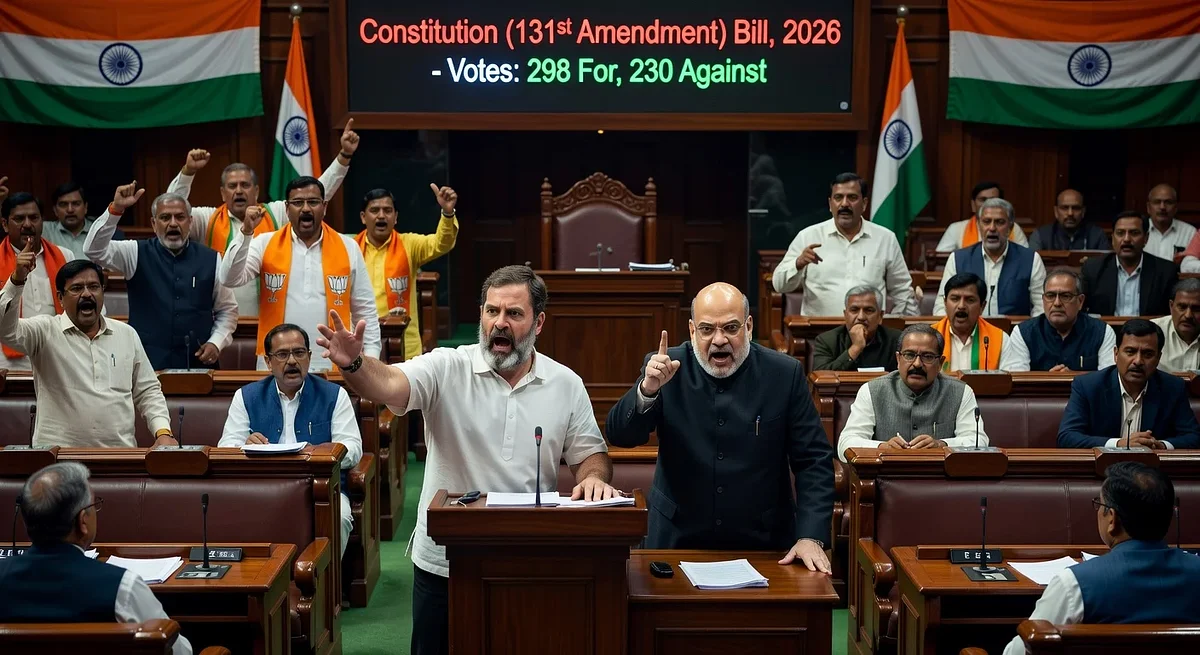
Dramatic Lok Sabha session: Women's reservation bill rejected with 298-230 vote; Rahul Gandhi criticizes as Amit Shah rebukes amid protests.
Image générée par IA

Lok Sabha rejects women's reservation amendment bill in special session

Rapporté par l'IA Image générée par IA

In the ongoing special parliamentary session, the Constitution (131st Amendment) Bill, 2026—for one-third women's reservation tied to delimitation—failed in Lok Sabha on Friday with 298 votes in favour and 230 against, missing the required two-thirds majority of 352 out of 528. This follows the bills' contentious introduction the previous day. Opposition leader Rahul Gandhi branded it a 'shameful law,' drawing a sharp rebuke from Home Minister Amit Shah, as BJP vowed nationwide protests.

The Maharashtra government introduced the Women Farmers’ Empowerment Bill in the Assembly on July 1, 2026. The legislation aims to formally recognise women engaged in agriculture and allied activities as farmers.

Rapporté par l'IA

The Maharashtra government will introduce the Maharashtra Women Farmers Empowerment Bill, 2026, in the Legislative Assembly's Monsoon Session starting June 22. Chief Minister Devendra Fadnavis announced the move on June 12 after reviewing the draft.

A day after Chief Minister Himanta Biswa Sarma took oath for his second term, the Assam cabinet approved a draft Uniform Civil Code bill. The bill will be tabled in the state assembly on May 26 and excludes tribal communities.

Rapporté par l'IA

Agriculture Minister Martha Carvajalino announced that the Agrarian Jurisdiction Bill is virtually archived due to lack of time in the current legislature and will be presented again on July 20.

Indonesia's DPR Legislation Body (Baleg) and the government have approved advancing the Domestic Workers Protection Bill (RUU PPRT) to a plenary session for enactment into law on April 21, 2026. The decision came during a Baleg plenary meeting on the evening of April 20, led by DPR Deputy Speaker Sufmi Dasco Ahmad.

Rapporté par l'IA

Nearly 160 farmers have agreed to transfer 118 hectares for the Third Mumbai development, selecting developed land compensation. Opposition from local groups continues to grow in the Raigad area.


Ce site utilise des cookies

Nous utilisons des cookies pour l'analyse afin d'améliorer notre site. Lisez notre politique de confidentialité pour plus d'informations.
Refuser