DepEd fast-tracks classroom construction for 2026

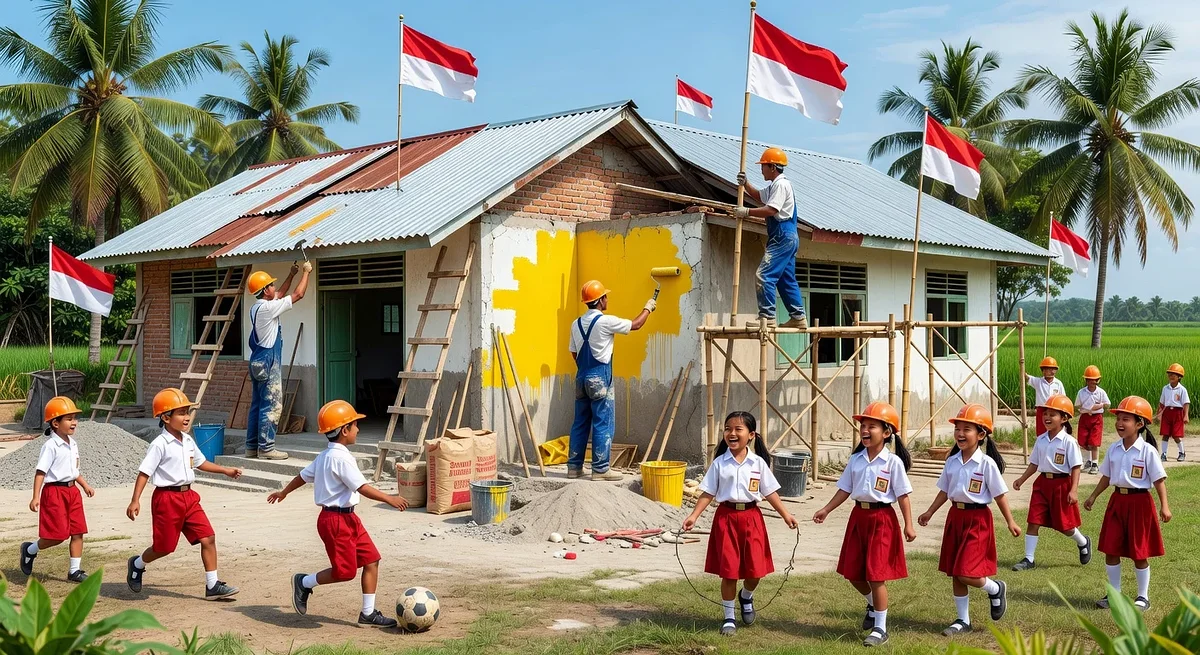
To address a nationwide shortage of 165,000 classrooms, Education Secretary Sonny Angara has directed the Department of Education's infrastructure group to finalize steps to accelerate construction in 2026, as part of a broader goal to build at least 200,000 classrooms over the next five to ten years. Priorities include last-mile schools and temporary learning spaces for disaster-hit communities.

On the last Monday of the year, the DepEd infrastructure group met to prepare various construction modalities for 2026. "In each option, we will ensure that every peso is used correctly," Angara stated in a Facebook post.

Starting January 2026, DepEd will maintain a running list of school sites with available space and no legal issues, prioritizing development with local government units (LGUs) and civil society organizations. The department is also seeking LGU help to secure land, as 67% of the country's 40,000 public schools occupy land they do not own. Buildings over 50 years old will be condemned for safety reasons.

A proposed cost cap of slightly over P3 million per classroom accounts for location and logistics variations. "The secret of getting ahead is getting started. Even during holiday break, we're working to hit full speed by the new year, building comfortable and safe classrooms," Angara added.

During a recent inspection with President Bongbong Marcos, the president pointed out outdated school designs from his father's era. "The expected lifespan is 20-25 years, but many are over 50, built in the 1970s," Angara noted.
Articoli correlati

President Marcos signs P6.793-trillion 2026 national budget, highlighting education and infrastructure allocations amid vetoes for prudent spending.
Immagine generata dall'IA

Marcos signs P6.793-trillion budget for 2026

Riportato dall'IA Immagine generata dall'IA

President Ferdinand Marcos Jr. signed the P6.793-trillion national budget for 2026 on January 5, allocating a record P1.015 trillion to the Department of Education and P530.9 billion to the DPWH. He vetoed P92.5 billion in unprogrammed appropriations, leaving P150.9 billion, while vowing prudent spending to curb corruption. The budget bars political involvement in aid distribution, though critics question the remaining funds.

The Department of Education is intensifying efforts to complete unfinished classroom projects nationwide, as it also prepares to broaden delivery options starting this year to address long-standing gaps in basic education facilities, DepEd Secretary Sonny Angara said.

Riportato dall'IA

In Metro Manila and other urban areas, building new classrooms is no longer feasible due to lack of space. An opinion piece argues that school congestion, rather than just the 165,000 classroom backlog as of 2025, needs addressing to improve learning environments.

Da giugno 2025, il governo di Tarcísio de Freitas non ha trasferito fondi per la manutenzione delle scuole statali di São Paulo, lasciando le unità senza risorse per riparazioni di base a meno di due settimane dall'inizio delle lezioni. I dirigenti segnalano carenze di sedie, banchi e problemi infrastrutturali accumulati. La Segreteria all'Istruzione afferma di aver erogato 232 milioni di reais lunedì (19), fornendo 13 giorni per le riparazioni.

Riportato dall'IA

Senator Kiko Pangilinan has filed a bill to institutionalize government support for so-called 'last mile schools,' or public schools in remote and underserved areas. Senate Bill No. 1842, known as the Last Mile Schools Act, aims to provide differentiated policies for these institutions. The filing was announced in a statement on Monday, January 16.

The Philippine government has built and financed more than 423,000 housing units since July 2022, President Ferdinand Marcos Jr. announced. At a ceremony awarding new homes in Rizal province, he vowed to accelerate construction to address the housing backlog. The administration seeks to enhance access to affordable and decent housing through initiatives like the 4PH program.

Riportato dall'IA

The National Parents-Teachers Association has backed the Department of Education's proposed trimester scheme amid reservations from some groups. NPTA president Willy Rodriguez noted that the system is already in use in countries like Singapore, Japan, and Finland. DepEd is continuing consultations in line with Malacañang's directive for stakeholder dialogues.


Questo sito web utilizza i cookie

Utilizziamo i cookie per l'analisi per migliorare il nostro sito. Leggi la nostra politica sulla privacy per ulteriori informazioni.
Rifiuta