فيتاليك بوتيرين يقترح وكلاء ذكاء اصطناعي لإدارة حكم الـDAO

اقترح مؤسس الإيثريوم المشارك فيتاليك بوتيرين استخدام وكلاء ذكاء اصطناعي شخصيين لأتمتة التصويت في المنظمات اللامركزية الذاتية، بهدف تعزيز المشاركة وحماية الخصوصية. الاقتراح، الذي تمت مشاركته على منصة التواصل الاجتماعي إكس، يعالج قضايا مثل انخفاض معدلات التصويت وتركز السلطة بين حاملي الرموز الكبيرة. يدمج أدوات تشفيرية لحماية البيانات الحساسة ومنع الإكراه.

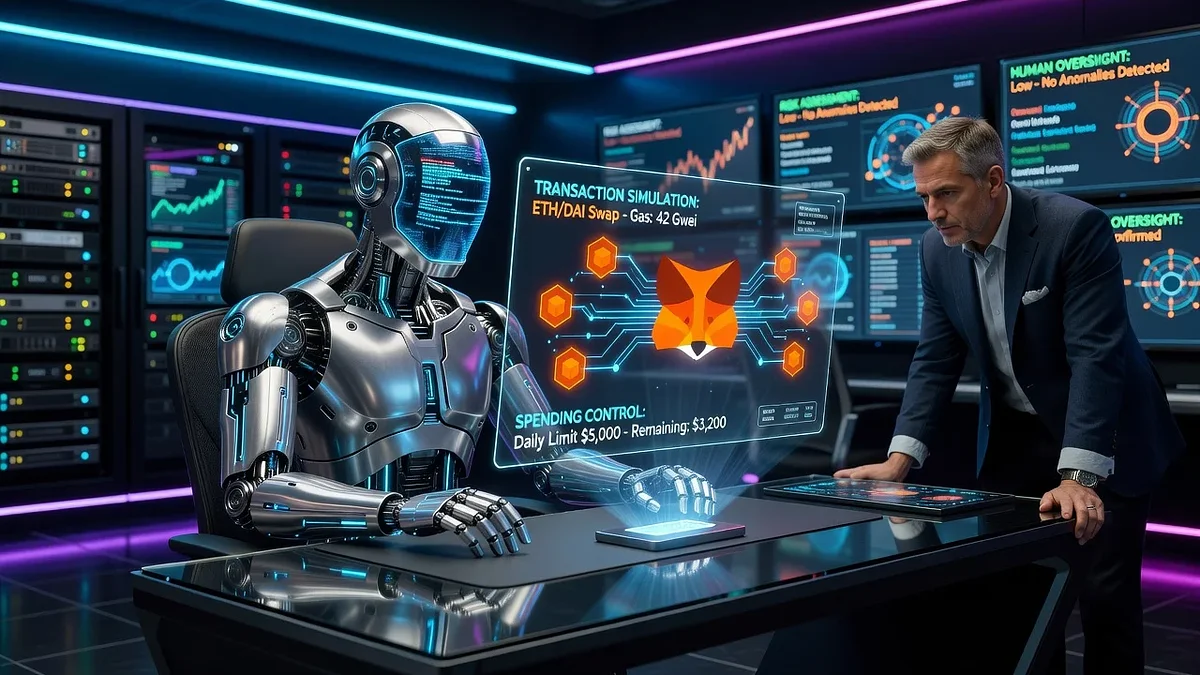
رسم فيتاليك بوتيرين، مؤسس الإيثريوم المشارك، خطة لإصلاح الحكم في المنظمات اللامركزية الذاتية (DAOs) من خلال نشر 'وكلاء' ذكاء اصطناعي. نُشرت على منصة التواصل الاجتماعي إكس قبل حوالي شهر من انتقاد بوتيرين للـDAOs بسبب انخفاض المشاركة والقوة المركزية، وتنحرف الفكرة عن تفويض المستخدمين لأصواتهم إلى حاملي الرموز الكبار. تحت الاقتراح، سيستخدم الأفراد نماذج ذكاء اصطناعي مدربة على رسائلهم و قيمهم السابقة للتعامل مع آلاف قرارات الـDAO عبر مجالات خبرة متنوعة. لاحظ بوتيرين التحدي: «هناك آلاف القرارات التي يجب اتخاذها، تشمل العديد من مجالات الخبرة، ومعظم الناس لا يملكون الوقت أو المهارة ليكونوا خبراء حتى في واحدة، ناهيك عن الجميع.» وأضاف: «إذن ماذا نفعل؟ نستخدم نماذج لغة كبيرة شخصية لحل مشكلة التركيز.» لضمان الخصوصية، سيعمل وكلاء الذكاء الاصطناعي في بيئات آمنة مثل الحوسبة متعددة الأطراف (MPC) أو بيئات التنفيذ الموثوقة (TEEs)، معالجة البيانات الخاصة دون عرض عام على البلوكشين. سيتم الحفاظ على الخصوصية من خلال إثباتات المعرفة الصفرية (ZKPs)، مما يسمح للمستخدمين بالتحقق من الأهلية دون الكشف عن عناوين المحافظ أو الأصوات. تهدف هذه الإعداد إلى مواجهة الإكراه والرشوة وممارسة نسخ الناخبين الصغار لقرارات الحيتان، المعروفة باسم مراقبة الحيتان. سيتولى وكلاء الذكاء الاصطناعي المهام الروتينية للحكم ويُنبهون البشر فقط في الأمور الحرجة. لمكافحة الاقتراحات الرديئة أو السبامية، خاصة مع انتشار استخدام الذكاء الاصطناعي التوليدي، أوصى بوتيرين بأسواق التنبؤ حيث يراهن الوكلاء على قبول الاقتراحات. ستحقق التنبؤات الناجحة مكافآت، مما يعزز الإدخالات المفيدة ويردع الغير ذات صلة. بالإضافة إلى ذلك، سيُمكن النظام أدوات خصوصية لتقييم معلومات حساسة، مثل طلبات التوظيف أو النزاعات القانونية، دون تسريبات على البلوكشين.
مقالات ذات صلة

U.S. Treasury report illustration showing holographic tech pillars for crypto compliance: AI monitoring, digital ID, blockchain analytics, and data APIs, with privacy mixer endorsement.
صورة مولدة بواسطة الذكاء الاصطناعي

U.S. Treasury report proposes AI, digital ID pillars for crypto compliance; endorses lawful mixer privacy

من إعداد الذكاء الاصطناعي صورة مولدة بواسطة الذكاء الاصطناعي

The U.S. Treasury Department submitted a report to Congress on March 9, 2026—commissioned under the GENIUS Act—outlining four technological pillars to enhance transparency in cryptocurrency transactions: artificial intelligence for monitoring, digital identity for onboarding, blockchain analytics for tracing, and interoperable data-sharing APIs. It describes digital assets as key to U.S. innovation leadership while acknowledging lawful users' need for privacy tools like mixers on public blockchains, amid risks from illicit exploitation.

The Ethereum Foundation is positioning its blockchain as a coordination and verification layer for artificial intelligence systems. Davide Crapis, the foundation's AI lead, emphasizes ensuring decentralization, self-sovereignty, and privacy in an AI-dominated future. This strategy focuses on AI agent coordination and embedding Ethereum's core principles into AI applications.

من إعداد الذكاء الاصطناعي

Ethereum co-founder Vitalik Buterin has outlined ideas to prevent the centralization of block building in a new blog post. He focuses on risks like transaction censorship and toxic MEV extraction. The proposals aim to maintain decentralization as Ethereum scales.

Venture capitalists in the cryptocurrency space say investments in artificial intelligence have entered a post-hype phase, focusing on practical applications rather than broad-scale efforts. At Consensus Hong Kong 2026, investors Anand Iyer of Canonical Crypto and Kelvin Koh of Spartan Group highlighted a shift toward utility-driven AI tools amid declining crypto prices.

من إعداد الذكاء الاصطناعي

Coinbase has introduced Agentic Wallets, a new infrastructure designed to enable AI agents to handle financial transactions autonomously. Announced on February 11, 2026, the tool addresses limitations in current AI capabilities by allowing agents to spend, earn, and trade without constant human oversight. This development builds on prior Coinbase initiatives in agentic commerce.

Nearly a decade after a catastrophic hack nearly derailed Ethereum, TheDAO has reemerged to bolster the blockchain's security. Unclaimed Ether worth over $220 million will be staked to support ongoing initiatives. The move revives a long-forgotten commitment from the aftermath of the 2016 incident.

من إعداد الذكاء الاصطناعي

Keio University's X Dignity Center has released a proposal emphasizing the critical role of news organizations in the AI era, amid concerns that AI-driven changes in the information space threaten democracy. The document, unveiled on January 26, 2026, calls for reaffirming media's social responsibilities and transparency.


يستخدم هذا الموقع ملفات تعريف الارتباط

نستخدم ملفات تعريف الارتباط للتحليلات لتحسين موقعنا. اقرأ سياسة الخصوصية الخاصة بنا سياسة الخصوصية لمزيد من المعلومات.
رفض