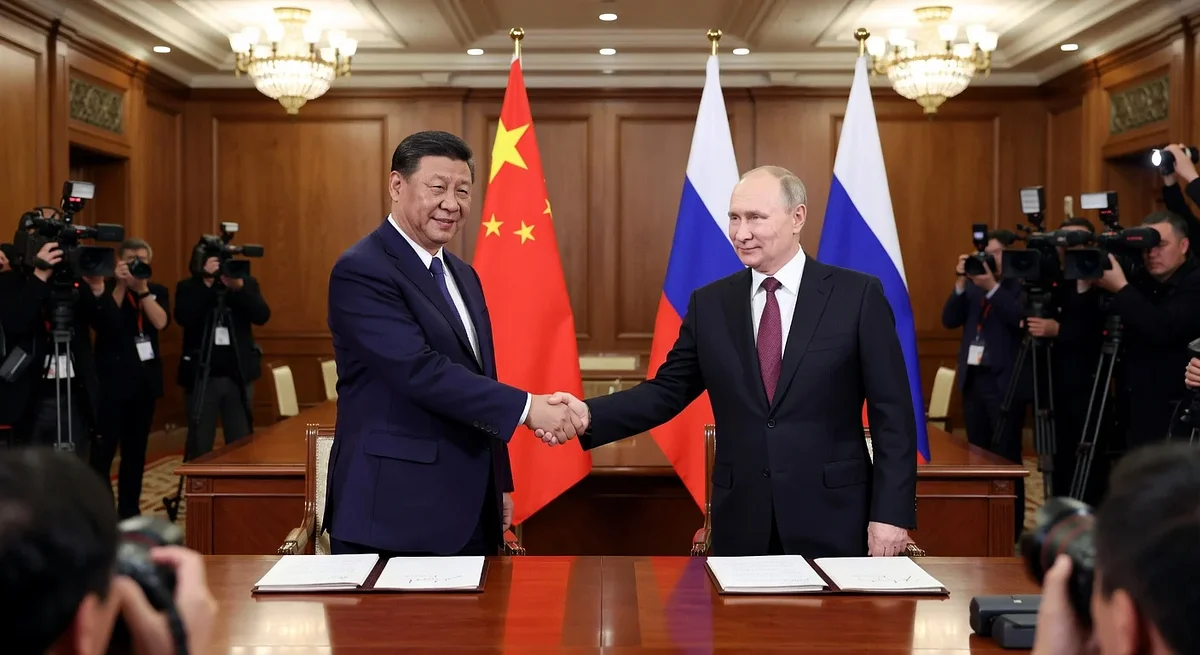
The expiry of the New Strategic Arms Reduction Treaty (New Start) between the US and Russia could trigger a three-way arms race involving Beijing, Washington, and Moscow, analysts warn. China has reiterated its refusal to join trilateral nuclear disarmament talks with the US and Russia, citing disparities in nuclear stockpile sizes. Beijing hopes the US responds positively to Russia's suggestions to safeguard global strategic stability.
The New Strategic Arms Reduction Treaty (New Start) between the US and Russia is set to expire soon, marking a significant break in over five decades of bilateral nuclear arms control. Absent a last-minute move, the world will for the first time in decades be without a treaty limiting nuclear deployments by the United States and Russia, which together account for about 90 per cent of the world’s nuclear weapons.
“China has taken note of the constructive suggestions previously made by Russia regarding the follow-up arrangements of the New Strategic Arms Reduction Treaty (New Start) and hopes that the United States will respond positively to truly safeguard global strategic stability,” Chinese foreign ministry spokesman Lin Jian said on Tuesday.
Beijing also reiterated its refusal to join trilateral nuclear disarmament negotiations with Washington and Moscow, despite repeated calls for such talks by US President Donald Trump. China cited the disparity in nuclear stockpile sizes as the reason for its refusal. Analysts warn the expiry of New Start could trigger a vicious circle and three-way arms race between Beijing, Washington, and Moscow.
This development highlights vulnerabilities in global nuclear stability, involving key terms like nuclear weapons, nuclear warheads, ICBMs, and strategic deterrence.