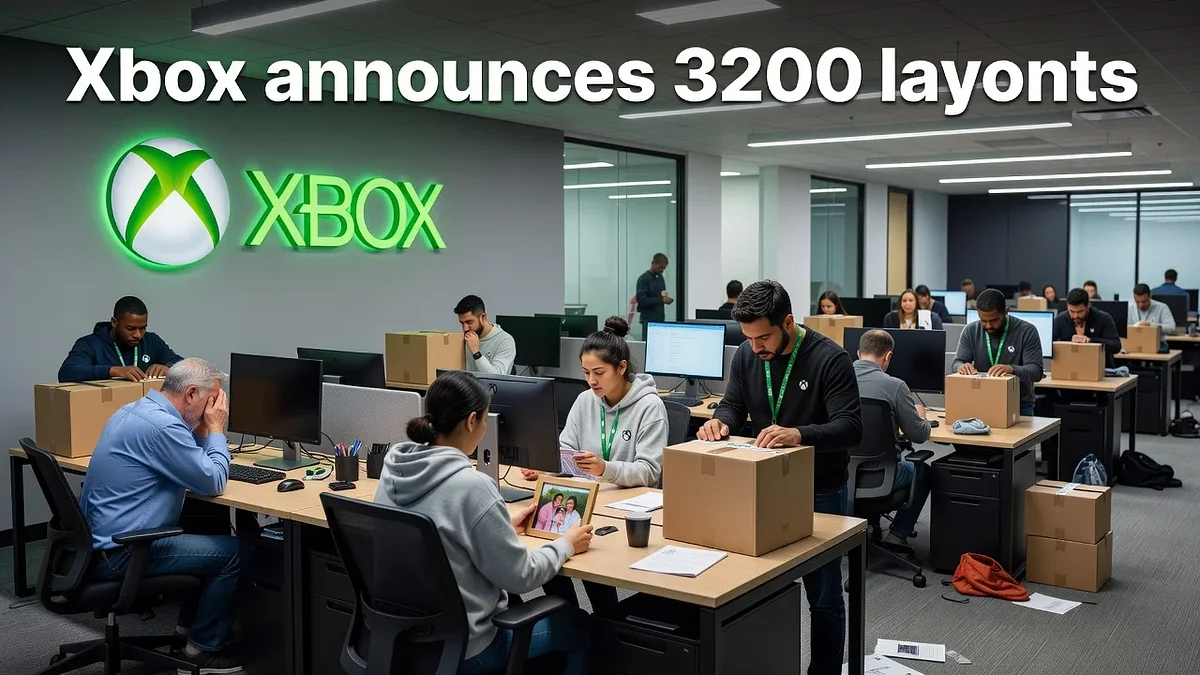
The Game Developers Conference's 2026 State of the Game Industry Report reveals that one-third of surveyed US workers in the games industry have been laid off over the past two years. Globally, 28 percent of respondents reported similar experiences. The findings highlight ongoing challenges including project cancellations and company restructurings.
The Game Developers Conference (GDC) released its 2026 State of the Game Industry Report on January 30, based on responses from over 2,300 industry professionals including developers, producers, marketers, executives, and investors. The survey paints a sobering picture of the sector's stability, with 33 percent of US respondents indicating they had been laid off in the past 24 months. This figure drops slightly to 28 percent when including international respondents, but underscores a persistent wave of job losses.
Seventeen percent of those surveyed reported being laid off within the last 12 months, with the report noting that the total could be higher due to multiple layoffs per individual. Nearly half—48 percent—of laid-off respondents were still seeking employment at the time of the survey. Among those let go one to two years ago, 36 percent had not found new roles in the games industry. Over 450 respondents experienced company acquisitions, closures, or mergers in the past year, with 31 percent of those also facing layoffs.
Game designers, including those in narrative design, were hit hardest, with 20 percent affected in the last 12 months. Business operations and services roles saw the lowest impact at eight percent. Common reasons cited include company restructuring (43 percent), project cancellations (32 percent), and budget cuts or market conditions (38 percent).
One anonymous respondent commented: "Leadership failed to see that the Covid-era boom was not permanent, [and the] company went on an acquisition spree before being acquired. Now, money is a lot tighter because the goldfish with the money want returns yesterday so they can funnel it into the current fad (genAI)." Another, laid off less than a year ago, said: "Executives who have never actually worked as a dev are pulling up the boards on their ships, throwing people overboard, and expecting these scuttled ghost ships to keep making them infinite money."
The report arrives amid continued industry turbulence, such as Ubisoft's recent announcement of delays to seven projects, closure of two studios, and cancellation of multiple games. These trends suggest layoffs will linger, affecting talent retention and innovation in the sector.