Konflik Asia Barat mengancam proyeksi pertumbuhan PDB India

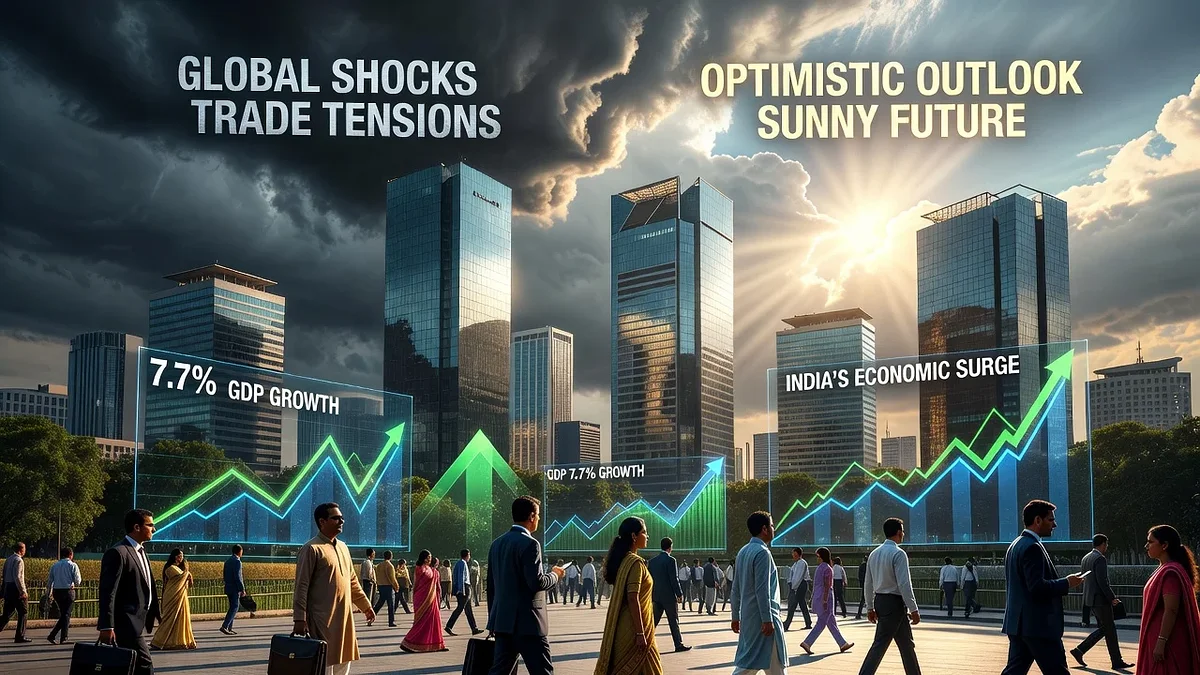
Ekonomi India berpotensi menghadapi tantangan dari konflik Asia Barat, yang dapat memengaruhi harga minyak dan pertumbuhan secara keseluruhan. Menurut Crisil Intelligence, pertumbuhan PDB riil diperkirakan mencapai 7,1 persen pada FY27, didorong oleh pengeluaran konsumen dan investasi. Ekspor diantisipasi meningkat, sementara inflasi ritel mungkin naik menjadi 4,3 persen.

Konflik Asia Barat yang sedang berlangsung menghadirkan risiko negatif bagi prospek ekonomi India, terutama melalui dampak potensialnya terhadap harga minyak mentah. Crisil Intelligence, perusahaan peringkat dan riset terkemuka, memperkirakan pertumbuhan PDB riil India sebesar 7,1 persen untuk tahun fiskal 2027 (FY27). Proyeksi ini mengasumsikan dukungan stabil dari pengeluaran konsumen domestik dan aktivitas investasi. Exports diharapkan berkontribusi positif terhadap lintasan pertumbuhan ini. Namun, konflik tersebut memperkenalkan ketidakpastian yang dapat mengganggu tren-tren ini. Inflasi ritel diproyeksikan naik menjadi 4,3 persen, mencerminkan tekanan yang mungkin terkait dengan biaya minyak yang lebih tinggi. Sebagai respons terhadap dinamika ini, Reserve Bank of India (RBI) kemungkinan akan mempertahankan suku bunga tetap, bertujuan menyeimbangkan pertumbuhan dan tekanan inflasi. Laporan tersebut menyoroti pentingnya memantau perkembangan geopolitik di Asia Barat, termasuk ketegangan yang melibatkan Iran, karena kata kunci seperti 'west asia conflict' dan 'iran war' menekankan fokus regional. Penilaian ini muncul di tengah indikator ekonomi yang lebih luas, menekankan ketahanan di sektor konsumen dan investasi meskipun adanya risiko eksternal. Analisis Crisil memberikan pandangan yang seimbang, memprioritaskan faktor-faktor yang dapat mempertahankan jalur pertumbuhan India sambil mengakui kerentanan dari peristiwa global.
Artikel Terkait

Dramatic illustration of fiery oil tanker attack in Strait of Hormuz driving Brent crude prices over $100, with naval response, reserve releases, and India inflation impacts.
Gambar dihasilkan oleh AI

West Asia conflict surges oil prices past $100 per barrel

Dilaporkan oleh AI Gambar dihasilkan oleh AI

Brent crude oil prices have exceeded $100 a barrel amid Iranian attacks on commercial shipping and disruptions in the Strait of Hormuz. The International Energy Agency and the United States are releasing oil reserves to counter supply concerns. In India, the crisis is fueling inflation risks, higher agricultural input costs, and trade disruptions.

Building on earlier concerns over GDP growth projections, the escalating West Asia war is pressuring Indian equity markets and disrupting footwear and textile sectors through supply shortages and cost spikes. Prashant Jain of 3P Investment Managers views the impact as marginal and transient, while industry reports show input costs up 10-50%.

Dilaporkan oleh AI

Reserve Bank of India Governor Sanjay Malhotra said the central bank is in “wait and watch mode” amid uncertainties from the West Asia war, with second-round effects being the real concern. In a speech at Princeton University on April 18, he stressed preventing supply shocks from embedding in price levels through inflation expectations rather than demand compression. He highlighted India’s significant exposure to the region.

With Brent crude already past $100 due to prior Iranian attacks and Strait of Hormuz issues, escalating US-Iran tensions now raise worst-case fears of $200 per barrel oil prices. India's stock markets have plunged, hitting oil firms hardest, amid risks of wider deficits, rupee weakness, and inflation.

Dilaporkan oleh AI

India's 10-year benchmark bond yield rose 7 basis points to 6.94% on Friday, signaling concerns over inflation and potential monetary tightening. High Brent crude prices above $100 per barrel, driven by the West Asia conflict, have intensified fears, compounded by the rupee falling below 94 to the dollar.

RBI officials stated that the near-term economic outlook remains favorable and well-positioned to sustain high growth momentum, driven by consumption, investment, and productivity-enhancing reforms. Inflation is expected to remain benign and near the target. However, global conditions introduce some volatility.

Dilaporkan oleh AI

The Bank of France has cut its GDP growth forecasts to 0.9% for 2026 and 0.8% for 2027 due to surging energy prices from the Middle East conflict. This adjustment is based on a main scenario of temporary hydrocarbon price increases. The bank also expects inflation at 1.7% this year.


Situs web ini menggunakan cookie

Kami menggunakan cookie untuk analisis guna meningkatkan situs kami. Baca kebijakan privasi kami untuk informasi lebih lanjut.
Tolak