نزاع غرب آسيا يشكل مخاطر لنمو الناتج المحلي الإجمالي المتوقع للهند

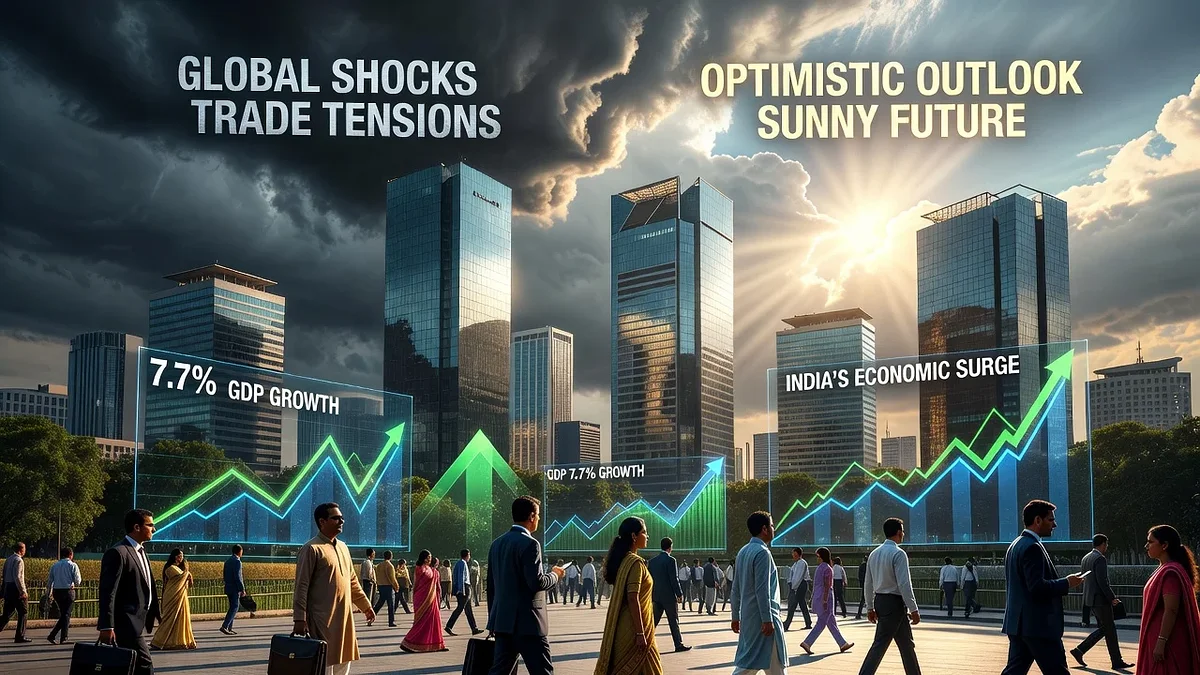
قد يواجه اقتصاد الهند تحديات من نزاع غرب آسيا، الذي قد يؤثر على أسعار النفط والنمو الشامل. وفقًا لـCrisil Intelligence، من المتوقع أن يصل نمو الناتج المحلي الإجمالي الحقيقي إلى 7.1 في المئة في السنة المالية 2027، مدفوعًا بالإنفاق الاستهلاكي والاستثمار. ومن المتوقع زيادة الصادرات، بينما قد يرتفع التضخم التجزئة إلى 4.3 في المئة.

يُشكل النزاع المستمر في غرب آسيا مخاطر سلبية لآفاق الاقتصاد الهندي، بشكل رئيسي من خلال تأثيراته المحتملة على أسعار النفط الخام. تتوقع Crisil Intelligence، وهي شركة رائدة في التصنيفات والبحوث، نمو الناتج المحلي الإجمالي الحقيقي للهند بنسبة 7.1 في المئة للسنة المالية 2027 (FY27). تعتمد هذه التوقعات على دعم ثابت من الإنفاق الاستهلاكي المحلي وأنشطة الاستثمار.  نمن المتوقع أن تساهم الصادرات إيجابيًا في هذه المسار النموي. ومع ذلك، يُدخل النزاع عدم يقينيات قد تعطل هذه الاتجاهات. من المتوقع أن يرتفع التضخم التجزئة إلى 4.3 في المئة، مما يعكس ضغوطات قد تكون مرتبطة بارتفاع تكاليف النفط.  نردًا على هذه الديناميكيات، من المرجح أن يحافظ البنك الاحتياطي الهندي (RBI) على استقرار أسعاره الفائدة، بهدف تحقيق التوازن بين النمو والضغوط التضخمية. يبرز التقرير أهمية مراقبة التطورات الجيوسياسية في غرب آسيا، بما في ذلك التوترات المتعلقة بإيران، حيث تؤكد كلمات مفتاحية مثل 'west asia conflict' و'iran war' على التركيز الإقليمي.  نيأتي هذا التقييم وسط مؤشرات اقتصادية أوسع، مشددًا على المرونة في القطاعات الاستهلاكية والاستثمارية رغم المخاطر الخارجية. تقدم تحليلات Crisil رؤية متوازنة، مع إعطاء الأولوية للعوامل التي يمكن أن تدعم مسار نمو الهند مع الاعتراف بالضعف أمام الأحداث العالمية.
مقالات ذات صلة

Dramatic illustration of fiery oil tanker attack in Strait of Hormuz driving Brent crude prices over $100, with naval response, reserve releases, and India inflation impacts.
صورة مولدة بواسطة الذكاء الاصطناعي

West Asia conflict surges oil prices past $100 per barrel

من إعداد الذكاء الاصطناعي صورة مولدة بواسطة الذكاء الاصطناعي

Brent crude oil prices have exceeded $100 a barrel amid Iranian attacks on commercial shipping and disruptions in the Strait of Hormuz. The International Energy Agency and the United States are releasing oil reserves to counter supply concerns. In India, the crisis is fueling inflation risks, higher agricultural input costs, and trade disruptions.

Building on earlier concerns over GDP growth projections, the escalating West Asia war is pressuring Indian equity markets and disrupting footwear and textile sectors through supply shortages and cost spikes. Prashant Jain of 3P Investment Managers views the impact as marginal and transient, while industry reports show input costs up 10-50%.

من إعداد الذكاء الاصطناعي

Reserve Bank of India Governor Sanjay Malhotra said the central bank is in “wait and watch mode” amid uncertainties from the West Asia war, with second-round effects being the real concern. In a speech at Princeton University on April 18, he stressed preventing supply shocks from embedding in price levels through inflation expectations rather than demand compression. He highlighted India’s significant exposure to the region.

With Brent crude already past $100 due to prior Iranian attacks and Strait of Hormuz issues, escalating US-Iran tensions now raise worst-case fears of $200 per barrel oil prices. India's stock markets have plunged, hitting oil firms hardest, amid risks of wider deficits, rupee weakness, and inflation.

من إعداد الذكاء الاصطناعي

India's 10-year benchmark bond yield rose 7 basis points to 6.94% on Friday, signaling concerns over inflation and potential monetary tightening. High Brent crude prices above $100 per barrel, driven by the West Asia conflict, have intensified fears, compounded by the rupee falling below 94 to the dollar.

RBI officials stated that the near-term economic outlook remains favorable and well-positioned to sustain high growth momentum, driven by consumption, investment, and productivity-enhancing reforms. Inflation is expected to remain benign and near the target. However, global conditions introduce some volatility.

من إعداد الذكاء الاصطناعي

The Bank of France has cut its GDP growth forecasts to 0.9% for 2026 and 0.8% for 2027 due to surging energy prices from the Middle East conflict. This adjustment is based on a main scenario of temporary hydrocarbon price increases. The bank also expects inflation at 1.7% this year.


يستخدم هذا الموقع ملفات تعريف الارتباط

نستخدم ملفات تعريف الارتباط للتحليلات لتحسين موقعنا. اقرأ سياسة الخصوصية الخاصة بنا سياسة الخصوصية لمزيد من المعلومات.
رفض