Miembros transgénero del consejo dimiten por falta de consulta sobre un proyecto de ley

Dos miembros del Consejo Nacional para Personas Transgénero han renunciado, alegando que no hubo consultas sobre el Proyecto de Ley de Enmienda a las Personas Transgénero (Protección de Derechos) de 2026. No pudieron reunirse con el ministro, quien faltó a una reunión programada. El proyecto de ley fue aprobado por el Lok Sabha el 24 de marzo y por el Rajya Sabha el 25 de marzo.

Cuatro miembros transgénero, incluidos Kalki Subramaniam, representante del sur de la India, Rituparna Neog del noreste, Raveena Bareeha, Vidya Rajput y Abhina Aher, asistieron a una reunión programada para el 21 de marzo en el Centro Internacional Dr. Ambedkar en Nueva Delhi. El ministro de Justicia Social y Empoderamiento, Virendra Kumar, no asistió alegando motivos de salud.

Un asesor económico sénior escuchó su oposición al proyecto de ley pero desestimó la mayoría de las sugerencias, según Subramaniam. Los miembros buscaron mantener la autoidentificación de género y se opusieron a depender de una junta médica. "Incluso sin nuestras sugerencias, el proyecto de ley será aprobado; esa fue la esencia", dijo Subramaniam.

Más tarde intentaron reunirse con el ministro en su residencia, pero fueron rechazados. El 22 de marzo, Subramaniam envió un documento detallando sus objeciones a través del asistente personal del ministro. El Consejo Nacional para Personas Transgénero, formado en agosto de 2020, asesora sobre políticas para personas transgénero. Subramaniam y Neog dimitieron el 25 de marzo.

Respondiendo al debate en el Lok Sabha, Kumar declaró: "Se han introducido disposiciones para garantizar la seguridad... además de otorgar derechos legales, esta ley también proporciona respeto y dignidad".

El ministerio no respondió a las consultas.
Artículos relacionados

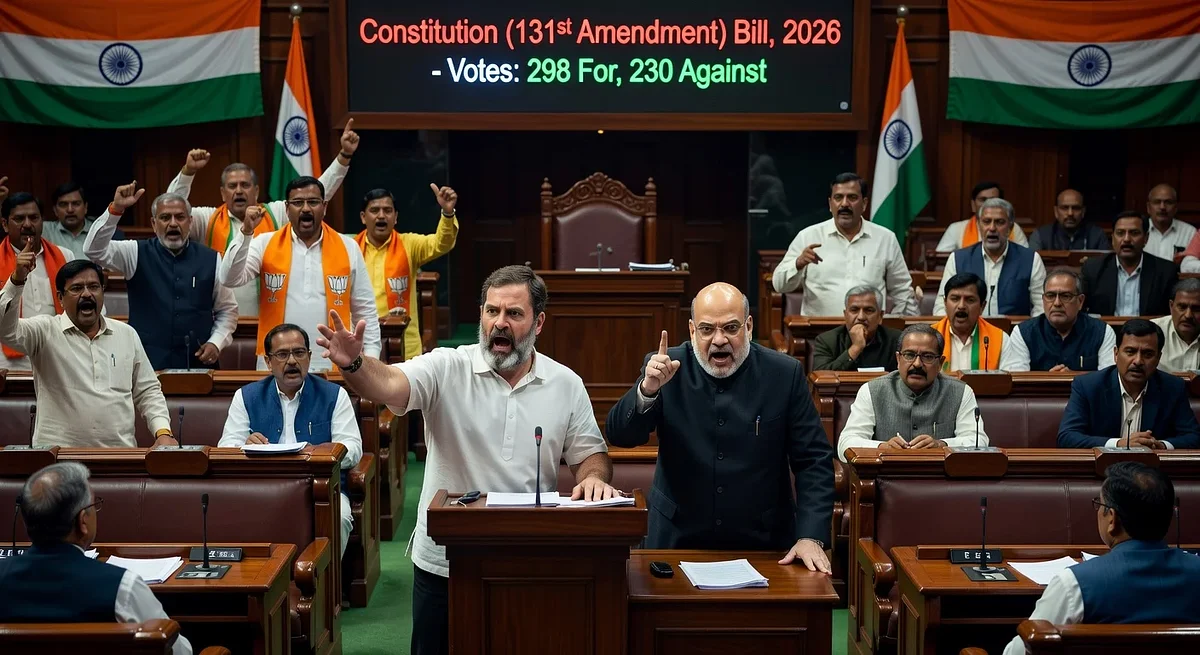
Dramatic Lok Sabha session: Women's reservation bill rejected with 298-230 vote; Rahul Gandhi criticizes as Amit Shah rebukes amid protests.
Imagen generada por IA

Lok Sabha rejects women's reservation amendment bill in special session

Reportado por IA Imagen generada por IA

In the ongoing special parliamentary session, the Constitution (131st Amendment) Bill, 2026—for one-third women's reservation tied to delimitation—failed in Lok Sabha on Friday with 298 votes in favour and 230 against, missing the required two-thirds majority of 352 out of 528. This follows the bills' contentious introduction the previous day. Opposition leader Rahul Gandhi branded it a 'shameful law,' drawing a sharp rebuke from Home Minister Amit Shah, as BJP vowed nationwide protests.

Rajya Sabha passed the Transgender Persons (Protection of Rights) Amendment Bill 2026 by voice vote on March 26 amid opposition calls for wider debate. The Lok Sabha had cleared it on Tuesday. Social Justice Minister Virendra Kumar described it as a symbol of justice for long-marginalised sections.

Reportado por IA

Transgender rights activist Harish Iyer resigned on March 26, 2026, from his position as advisor on the NHRC's Core Group on LGBTQI+ issues. He criticised the National Human Rights Commission for its silence on the Transgender Persons Amendment Bill, 2026.

Ahead of a special Parliament session starting April 16 to discuss amendments for implementing one-third women's reservation in Lok Sabha from 2029 elections, Prime Minister Narendra Modi wrote to floor leaders of all parties seeking their support. The opposition has raised concerns over lack of details on delimitation and the timing. The government described it as fulfilling responsibility towards women.

Reportado por IA

Uttarakhand Chief Minister Pushkar Singh Dhami addressed a special session of the assembly, proposing a unanimous resolution to support the early implementation of the Centre’s Nari Shakti Vandan Adhiniyam. He stated there should be no politics in empowering women, who are taking on leadership roles. The bill seeks 33% reservation for women in Parliament and state assemblies.

Justice Minister Mmamoloko Kubayi has confirmed the circulation of a draft bill to make South Africa's National Register for Sex Offenders (NRSO) accessible to the public. The move responds to long-standing calls from activists and addresses concerns over child protection. The amendments await a constitutionality review.

Reportado por IA

The Chhattisgarh assembly has passed the Freedom of Religion Bill, 2026, imposing severe penalties for conversions through force, inducement or fraud. The bill replaces a 1968 law and provides for life imprisonment in cases of mass conversions. Opposition Congress objected and boycotted proceedings.


Este sitio web utiliza cookies

Utilizamos cookies para análisis con el fin de mejorar nuestro sitio. Lee nuestra política de privacidad para más información.
Rechazar