استقالة أعضاء من المجلس الوطني للأشخاص المتحولين جنسياً بسبب غياب المشاورات حول مشروع القانون

استقال عضوان من المجلس الوطني للأشخاص المتحولين جنسياً، بدعوى عدم إجراء مشاورات بشأن مشروع قانون تعديل حقوق الأشخاص المتحولين جنسياً (حماية الحقوق) لعام 2026. ولم يتمكن العضوان من لقاء الوزير الذي تغيب عن اجتماع مقرر. وقد أقر مجلس لوك سابها مشروع القانون في 24 مارس، كما أقره مجلس راجيا سابها في 25 مارس.

حضر أربعة من أعضاء المجلس من المتحولين جنسياً، بمن فيهم كالكي سوبرامانيام، ممثلة جنوب الهند، وريتوبارنا نيوغ من الشمال الشرقي، ورافينا باريها، وفيديا راجبوت، وأبهينا أهير، اجتماعاً كان مقرراً عقده في 21 مارس في مركز الدكتور أمبيدكار الدولي في نيودلهي. ولم يحضر وزير العدالة الاجتماعية والتمكين فيريندرا كومار الاجتماع متذرعاً بالمرض. وبحسب سوبرامانيام، استمع مستشار اقتصادي أول إلى معارضتهم لمشروع القانون لكنه تجاهل معظم مقترحاتهم. وطالب الأعضاء بالإبقاء على مبدأ التحديد الذاتي للهوية الجندرية وعارضوا الاعتماد على لجنة طبية. وقالت سوبرامانيام: "كان جوهر الرد أن مشروع القانون سيمرر حتى بدون مقترحاتنا". وفي وقت لاحق، حاول الأعضاء لقاء الوزير في مقر إقامته لكنهم قوبلوا بالرفض. وفي 22 مارس، أرسلت سوبرامانيام وثيقة تحدد الاعتراضات عبر المساعد الشخصي للوزير. يذكر أن المجلس الوطني للأشخاص المتحولين جنسياً، الذي تشكل في أغسطس 2020، يقدم المشورة بشأن السياسات المتعلقة بهم. وقد استقالت سوبرامانيام ونيوغ في 25 مارس. ورداً على النقاش في مجلس لوك سابها، صرح كومار قائلاً: "تم وضع أحكام لضمان الأمن... وإلى جانب منح الحقوق القانونية، يوفر هذا القانون أيضاً الاحترام والكرامة". ولم تستجب الوزارة للاستفسارات.
مقالات ذات صلة

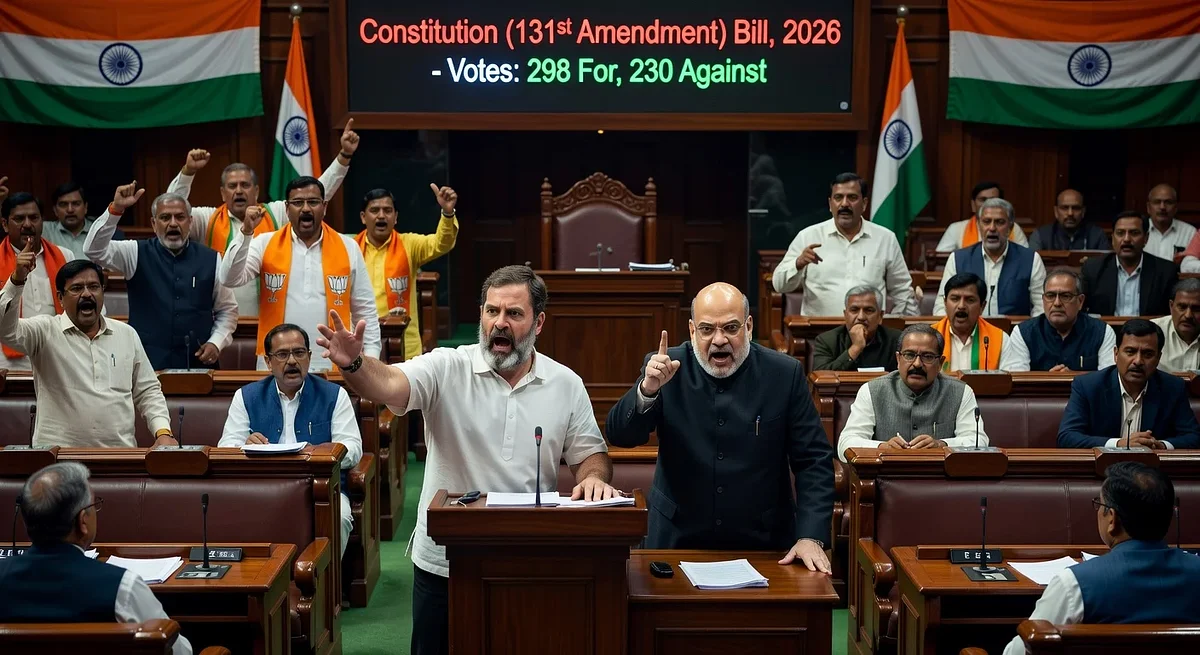
Dramatic Lok Sabha session: Women's reservation bill rejected with 298-230 vote; Rahul Gandhi criticizes as Amit Shah rebukes amid protests.
صورة مولدة بواسطة الذكاء الاصطناعي

Lok Sabha rejects women's reservation amendment bill in special session

من إعداد الذكاء الاصطناعي صورة مولدة بواسطة الذكاء الاصطناعي

In the ongoing special parliamentary session, the Constitution (131st Amendment) Bill, 2026—for one-third women's reservation tied to delimitation—failed in Lok Sabha on Friday with 298 votes in favour and 230 against, missing the required two-thirds majority of 352 out of 528. This follows the bills' contentious introduction the previous day. Opposition leader Rahul Gandhi branded it a 'shameful law,' drawing a sharp rebuke from Home Minister Amit Shah, as BJP vowed nationwide protests.

Rajya Sabha passed the Transgender Persons (Protection of Rights) Amendment Bill 2026 by voice vote on March 26 amid opposition calls for wider debate. The Lok Sabha had cleared it on Tuesday. Social Justice Minister Virendra Kumar described it as a symbol of justice for long-marginalised sections.

من إعداد الذكاء الاصطناعي

Transgender rights activist Harish Iyer resigned on March 26, 2026, from his position as advisor on the NHRC's Core Group on LGBTQI+ issues. He criticised the National Human Rights Commission for its silence on the Transgender Persons Amendment Bill, 2026.

Ahead of a special Parliament session starting April 16 to discuss amendments for implementing one-third women's reservation in Lok Sabha from 2029 elections, Prime Minister Narendra Modi wrote to floor leaders of all parties seeking their support. The opposition has raised concerns over lack of details on delimitation and the timing. The government described it as fulfilling responsibility towards women.

من إعداد الذكاء الاصطناعي

Uttarakhand Chief Minister Pushkar Singh Dhami addressed a special session of the assembly, proposing a unanimous resolution to support the early implementation of the Centre’s Nari Shakti Vandan Adhiniyam. He stated there should be no politics in empowering women, who are taking on leadership roles. The bill seeks 33% reservation for women in Parliament and state assemblies.

Maharashtra's legislature passed the Freedom of Religion Bill in both houses during the budget session, with support from opposition parties like Shiv Sena UBT and NCP SP. Once the Governor assents, Maharashtra will become India's 13th state with anti-forced conversion legislation. Congress and Samajwadi Party opposed it.

من إعداد الذكاء الاصطناعي

Justice Minister Mmamoloko Kubayi has confirmed the circulation of a draft bill to make South Africa's National Register for Sex Offenders (NRSO) accessible to the public. The move responds to long-standing calls from activists and addresses concerns over child protection. The amendments await a constitutionality review.


يستخدم هذا الموقع ملفات تعريف الارتباط

نستخدم ملفات تعريف الارتباط للتحليلات لتحسين موقعنا. اقرأ سياسة الخصوصية الخاصة بنا سياسة الخصوصية لمزيد من المعلومات.
رفض