Adobe and DOJ representatives shake hands over $75M settlement checks for subscription cancellation lawsuit, with improved cancellation screens in background.
Immagine generata dall'IA

Adobe settles lawsuit over difficult subscription cancellations

Immagine generata dall'IA

Adobe has agreed to a $75 million settlement with the US Department of Justice to resolve a 2024 lawsuit alleging that the company made it hard for customers to cancel subscriptions. The deal includes another $75 million in free services for qualifying customers. Adobe denies any wrongdoing but says it has improved its processes.

The US Department of Justice (DOJ) and Federal Trade Commission (FTC) filed a joint complaint against Adobe in 2024, accusing the software company of violating consumer protection laws. The allegations centered on Adobe's practices for its Creative Cloud subscriptions, which include tools like Photoshop and Illustrator. Customers reportedly faced hidden early termination fees—equal to 50 percent of the remaining subscription term, often hundreds of dollars—for canceling annual plans paid monthly before the first year ended. The complaint also highlighted obscured disclosures, labyrinthine phone systems that dropped calls or transferred users endlessly, and enrolling users in lucrative plans without clear terms, potentially breaching the Restore Online Shoppers’ Confidence Act of 2010.

Adobe transitioned to a subscription model in 2013, replacing perpetual licenses that cost $700 to over $2,600 for its Creative Suite 6. While monthly fees of $10 to $70 seemed affordable initially, long-term costs added up, leading to cancellation frustrations.

Under the settlement announced on March 13, 2026, Adobe will pay $75 million to the DOJ and provide $75 million in free services to affected customers, such as those who paid termination fees. "While we disagree with the government’s claims and deny any wrongdoing, we are pleased to resolve this matter," Adobe stated. The company plans to proactively contact qualifying customers after court filings and approvals. It also claims to have streamlined subscription sign-ups and cancellations, including refunds within 14 days of purchase.

"The Justice Department will strongly oppose any attempt to harm Americans with deceptive and unfair business practices," said Assistant Attorney General Brett Shumate in a DOJ statement.

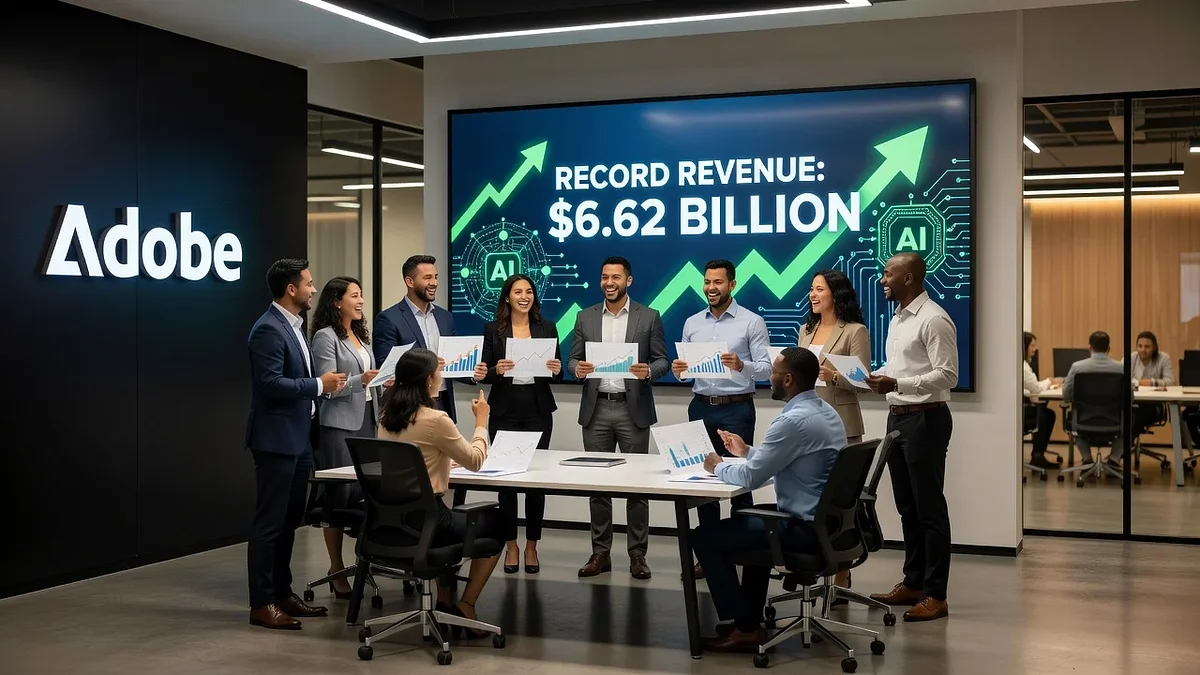
The settlement comes shortly after Adobe CEO Shantanu Narayen, who led the shift to subscriptions over 18 years, announced his retirement, with his stock dipping briefly post-Q1 earnings. Adobe's subscription revenues continue to grow, exceeding $7 billion in net profit last year.
Cosa dice la gente

Discussions on X highlight widespread frustration with Adobe's subscription cancellation practices, praising the DOJ's $150 million settlement ($75M penalty plus $75M free services) as accountability. Creators decry high early termination fees and maze-like processes, with some switching to alternatives like Affinity. Skepticism remains about Adobe's claimed improvements and denial of wrongdoing. High-engagement posts from diverse accounts amplify calls for easier cancellations.

Articoli correlati

Photorealistic image of Apple's Creator Studio subscription on a desk with MacBook Pro running Final Cut Pro, iPad with Logic Pro, and app icons for a news article.
Immagine generata dall'IA

Apple bundles creative apps into creator studio subscription

Riportato dall'IA Immagine generata dall'IA

Apple has announced Apple Creator Studio, a new subscription service bundling its professional creative and productivity apps for $13 per month or $129 per year. The package includes tools like Final Cut Pro and Logic Pro, with premium features for Keynote, Pages, and Numbers, launching on January 28. Mac users can still purchase apps individually, while iPad versions require the subscription.

The Federal Trade Commission has expanded its lawsuit against Uber by adding 21 states and the District of Columbia, accusing the company of deceptive practices related to its Uber One subscription service. The allegations include charging customers without consent and making cancellations overly complicated. Uber strongly denies the claims, asserting that its processes are straightforward and compliant with the law.

Riportato dall'IA

The Federal Trade Commission announced that Instacart will refund $60 million to subscribers as part of a settlement over deceptive practices. The agreement addresses allegations of misleading claims about delivery fees and satisfaction guarantees. Instacart denies wrongdoing but will implement changes to its marketing and refund processes.

Proton has cautioned that major tech companies like Google, Amazon, and Apple could cover over $7 billion in fines imposed in 2025 within less than a month. The firm highlights how these giants view such penalties as a simple cost of doing business. This assessment underscores the financial resilience of Big Tech amid regulatory pressures.

Riportato dall'IA

En los últimos seis meses, al menos 1.829 millones de usuarios en México cancelaron sus suscripciones de streaming, lo que representa el 14% de los 14.3 millones de accesos a vídeo SVOD. Las plataformas más afectadas fueron ViX Premium, Disney+ y Amazon Prime Video, en medio de una mayor competencia y ajustes de precios. Los expertos atribuyen este fenómeno de rotación a estrategias de optimización del gasto familiar.

KT Corp. has decided to waive contract cancellation fees for customers affected by a major data breach in September. A government investigation revealed that poor management of femtocells caused the incident. The company also announced additional compensation measures and plans to bolster security.

Riportato dall'IA

Live Nation reached a settlement with the U.S. Department of Justice in a long-running antitrust lawsuit, avoiding a breakup with Ticketmaster but agreeing to operational changes, including amphitheater divestments and opening ticketing to competitors. The deal, announced during trial on March 9, 2026, drew criticism from several state attorneys general who plan to continue separate litigation.


Questo sito web utilizza i cookie

Utilizziamo i cookie per l'analisi per migliorare il nostro sito. Leggi la nostra politica sulla privacy per ulteriori informazioni.
Rifiuta